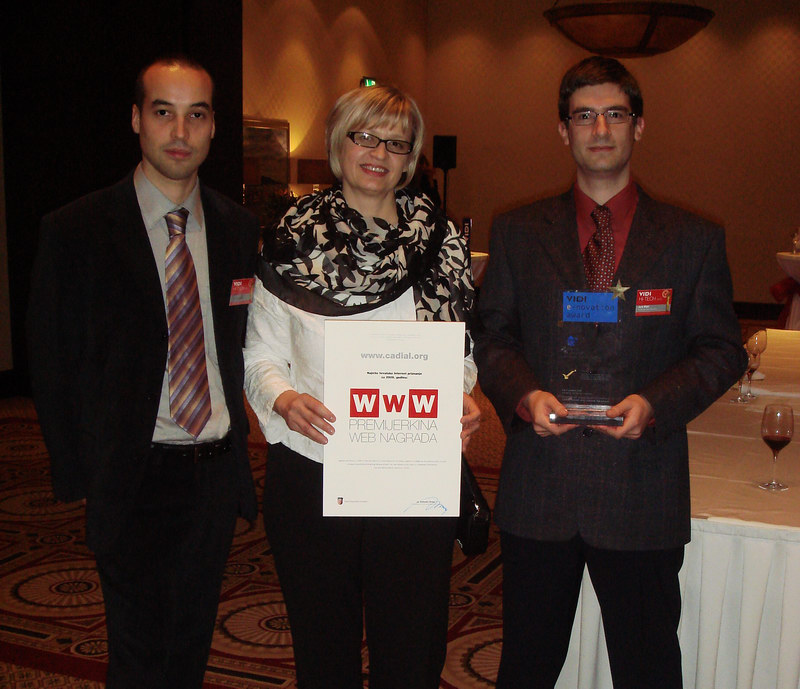

Prime Minister Award
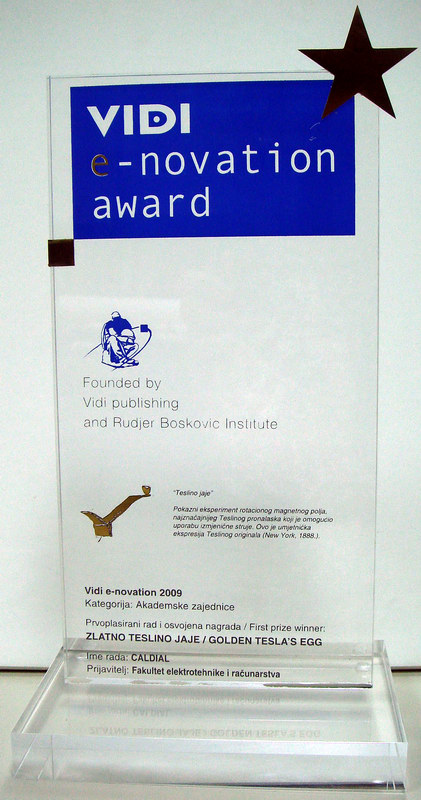
VIDI e-novation award
The CADIAL search engine was awarded the VIDI e-novation award 2009 “Golden Tesla’s egg” for the best innovative ICT solution in the category of academic institutions.
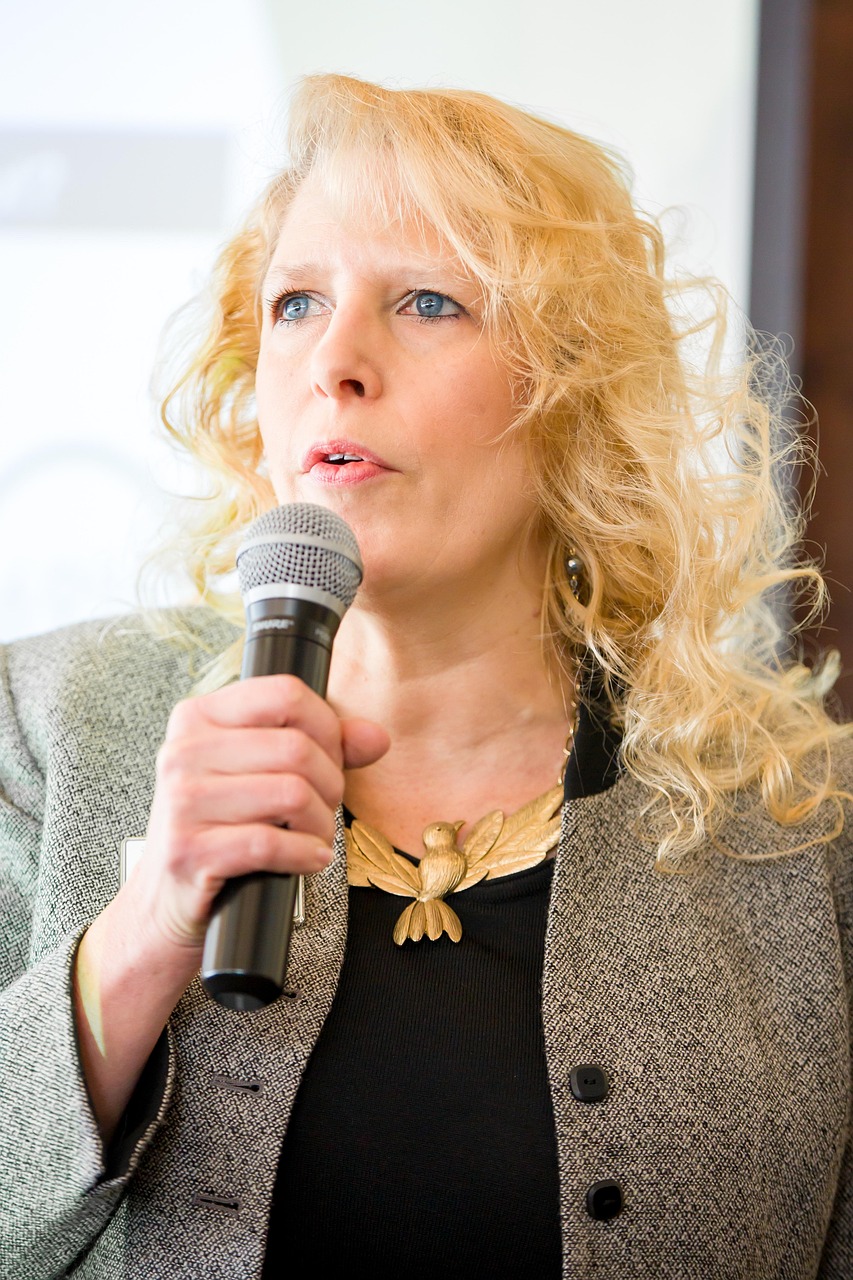
His Excellency Marc De Schoutheete De Tervarent, Ambassador of the Kingdom of Belgium in Croatia
Antonio Garcia Postigo, Attaché of the Kingdom of Belgium in Croatia

Prof. Tonko ćurko, Vice-Rector of the University of Zagreb
About CADIAL: Purpose, Partners & Public Value
CADIAL is a public-facing initiative that provides structured, accessible, and multilingual access to legal and administrative information. Built through cooperation between universities, ministries, and knowledge networks, CADIAL brings together technical architecture, standardized vocabularies, and open access principles. Its value lies not only in providing a search interface but also in creating trust, consistency, and clarity in how information is organized for citizens, civil servants, and researchers.
This page explains CADIAL’s mission and history, the partners who built it, why Eurovoc matters for classification, who uses the platform, its awards, and its vision for the future. A set of frequently asked questions at the end provides quick reference for new users.
Mission & History
The mission of CADIAL is to make legal and administrative information more transparent, searchable, and useful to the public. By integrating multilingual vocabularies and standardized classification systems, CADIAL helps ensure that documents are not just stored but are truly accessible.
Historically, access to legal texts was fragmented across different ministries, agencies, and archives. Universities and public institutions recognized that this fragmentation made it difficult for citizens and researchers to locate reliable information. CADIAL was launched to address this challenge—bringing together dispersed resources under one coherent framework.
The history of CADIAL reflects collaboration rather than competition. Ministries supplied content, universities provided expertise in information science, and developers created an infrastructure that could sustain long-term growth. Over time, CADIAL has become not only a search system but also an exemplar of how public information can be structured responsibly.
Who Built CADIAL
CADIAL is the result of sustained collaboration between:
- Universities: Academic teams contributed expertise in linguistics, law, and information architecture. Their role ensured that the system was not only technically functional but also aligned with scholarly standards.
- Ministries: Government ministries provided access to primary documents and ensured that CADIAL reflected official sources. Their participation guaranteed institutional reliability.
- National Knowledge Networks: Professional associations and technical working groups contributed to aligning CADIAL with European vocabularies and open data principles.
- Technical Teams: Specialists in information retrieval and metadata designed the core search functions and classification workflows.
By bringing together multiple stakeholders, CADIAL reflects a model of co-creation. No single institution owns it outright; instead, its success is rooted in partnership and shared responsibility.
For more detail on the infrastructure, see Technical Architecture.
Why Eurovoc Matters
For non-experts, “Eurovoc” might sound like another technical acronym. In practice, it is the multilingual thesaurus developed by European institutions to classify legal and administrative documents consistently.
Plain-Language Explanation
- Consistency: Eurovoc ensures that the same concept—say, “environmental law”—is labeled consistently across languages and jurisdictions.
- Multilingual Access: A citizen can search in one language and retrieve documents in another because the vocabulary links concepts across languages.
- Interoperability: Researchers and civil servants can cross-compare documents across countries because Eurovoc creates a common reference system.
Without Eurovoc, legal and administrative information would remain fragmented, siloed, and difficult to navigate. With Eurovoc, CADIAL provides a bridge between languages and domains, allowing non-specialists to find what they need without advanced expertise.
For practical guidance on searching, see the User Guide.
Who Uses CADIAL
CADIAL serves multiple audiences, each with distinct needs:
Citizens
For citizens, CADIAL provides transparency. It allows individuals to search laws, regulations, and administrative texts without requiring insider knowledge. By offering plain-language search and multilingual support, CADIAL lowers barriers to accessing official information.
Civil Servants
Public administrators use CADIAL to streamline their work. Instead of navigating multiple ministry sites, they can rely on CADIAL as a centralized reference point. This saves time, improves consistency, and reduces duplication of effort.
Researchers
Academics, policy analysts, and students benefit from structured access to primary sources. CADIAL helps researchers locate relevant texts quickly, supports citation accuracy, and provides thematic context through Eurovoc classification.
By serving these three audiences simultaneously, CADIAL enhances both public trust and professional efficiency.
For examples of real-world applications, see Case Studies.
Awards & Recognition
CADIAL has been recognized nationally for its contribution to transparency and digital innovation.
- Prime Minister Award: This distinction highlighted CADIAL as a leading example of open government and digital modernization. The award underscored how structured access to information strengthens democracy.
- E-Novation Recognition: CADIAL also received recognition in innovation forums, where it was praised for technical integration, multilingual accessibility, and usability.
These awards demonstrate that CADIAL is not only functional but also exemplary in design and public value. Recognition strengthens its credibility and encourages continued investment in its development.
What’s Next
CADIAL is not static—it continues to evolve in line with sustainability and openness.
- Sustainability: Plans include ensuring long-term maintenance through shared responsibility across ministries and academic partners. This involves regular updates, technical upkeep, and adaptation to new standards.
- Openness: CADIAL aims to expand interoperability with other open-data initiatives. By linking to broader European and global networks, it ensures users can situate national information in international contexts.
- User-Centered Improvements: Future development emphasizes usability—simpler search options, more intuitive navigation, and additional multilingual support.
These priorities ensure that CADIAL remains relevant not only as a search tool but also as a model of sustainable digital governance.
For scope of materials currently included, see Data Coverage.
Frequently Asked Questions (FAQ)
1. What does CADIAL stand for?
CADIAL is an acronym referring to a system for cataloguing and providing access to legal and administrative information.
2. Is CADIAL free to use?
Yes, CADIAL is a public resource. Access is provided without charge, supporting transparency and equal opportunity.
3. Do I need legal training to use CADIAL?
No. While CADIAL contains legal and administrative texts, it is designed for use by non-specialists as well as professionals. The Eurovoc classification system makes searching accessible.
4. How reliable are the documents in CADIAL?
All documents come directly from ministries or official institutions. The goal is to ensure that what you find is authoritative and accurate.
5. Can I access CADIAL in multiple languages?
Yes. Eurovoc integration allows searches and classifications across several languages, ensuring access regardless of native tongue.
6. How is CADIAL different from other databases?
Unlike commercial databases, CADIAL is publicly funded, multilingual, and designed for transparency rather than profit.
7. Does CADIAL include older historical documents?
The database focuses primarily on contemporary legal and administrative texts, but coverage is expanding. See Data Coverage for details.
8. How can I suggest improvements?
Feedback is welcome. You can share suggestions directly via the Contact page.
Closing
CADIAL represents a collective achievement: universities, ministries, and technical experts joining forces to make public information truly accessible. With its foundation in Eurovoc, its service to multiple audiences, and its recognition for innovation, CADIAL demonstrates how digital tools can advance transparency and trust.
For those who want to explore further, start with Search, review the Technical Architecture, consult the User Guide, learn more about Data Coverage, browse Case Studies, or reach out via Contact.
Summary of the project results

The complete database of the 20.000 legal documents of the Republic of the Croatia indexed with descriptors from the Eurovoc thesaurus;

Publicly accessible CADIAL search engine (cadial.hidra.hr) that operates on that database (see CADIAL leaflet);